What are the Common Indicators of Water Damage?
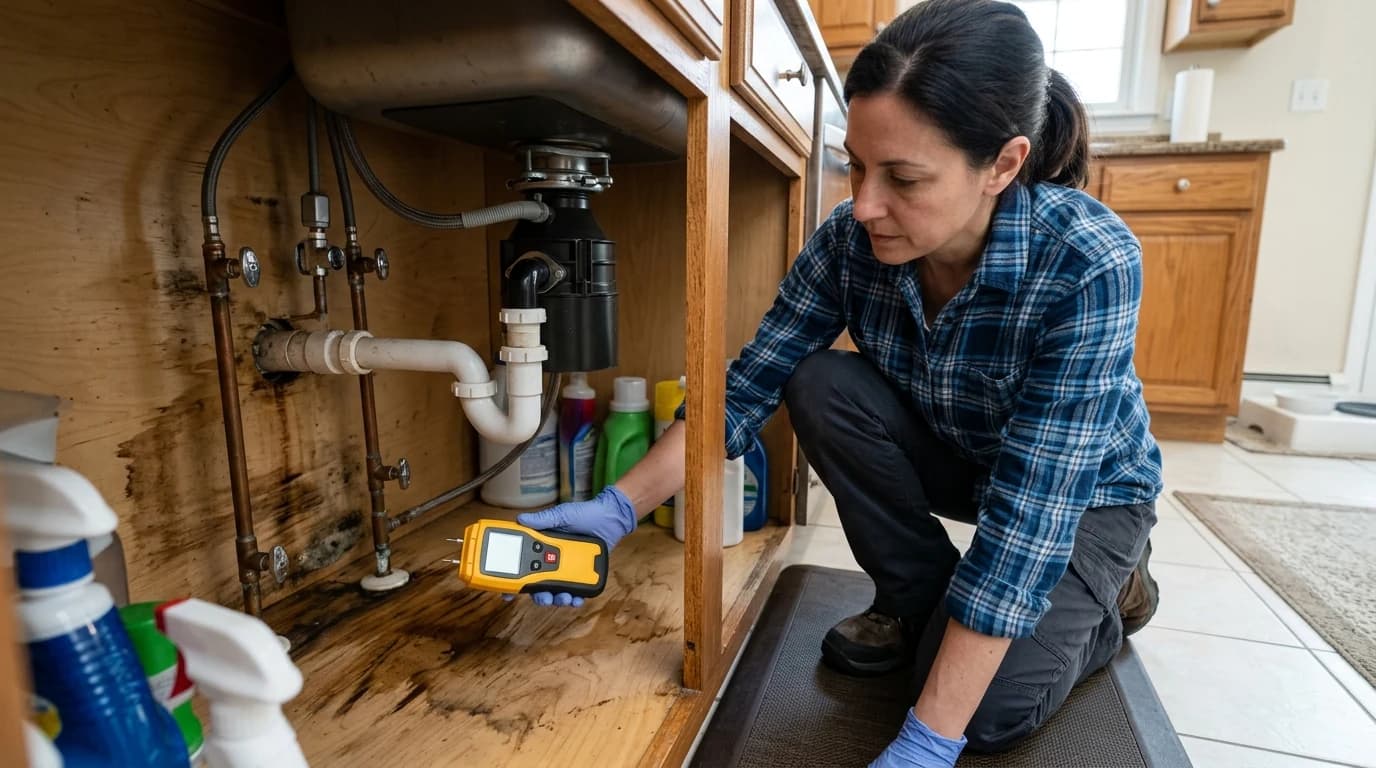
Water damage can manifest in various ways, from discoloration on walls and ceilings to a musty odor in certain areas. Early detection is crucial to prevent further issues such as mold growth and structural damage. Here are some specific indicators to watch for:
1. Wall and Ceiling Stains: Water stains often appear as yellowish-brown patches. They can indicate a leak from a roof or plumbing issue. Check areas around bathrooms and kitchens where plumbing is concentrated.
2. Musty Odors: A persistent musty smell can indicate mold or mildew, which thrives in damp environments. This is often noticeable in basements or areas with poor ventilation.
3. Flooring Issues: Buckling or warping in wooden floors, or soft spots in carpets, often suggest water damage. Tiles may become loose, and linoleum might peel away.
4. Peeling Paint or Wallpaper: Excess moisture can cause paint or wallpaper to peel or blister. This is common in areas with high humidity or where leaks are present.
5. Visible Mold: Mold can appear as black, green, or white patches and is a clear sign of moisture problems. It's crucial to address mold immediately, as it can have health implications.
Regular home inspections, especially in high-risk areas, can catch these signs early. Addressing these signs promptly can prevent more extensive damage and costly repairs.
1. Wall and Ceiling Stains: Water stains often appear as yellowish-brown patches. They can indicate a leak from a roof or plumbing issue. Check areas around bathrooms and kitchens where plumbing is concentrated.
2. Musty Odors: A persistent musty smell can indicate mold or mildew, which thrives in damp environments. This is often noticeable in basements or areas with poor ventilation.
3. Flooring Issues: Buckling or warping in wooden floors, or soft spots in carpets, often suggest water damage. Tiles may become loose, and linoleum might peel away.
4. Peeling Paint or Wallpaper: Excess moisture can cause paint or wallpaper to peel or blister. This is common in areas with high humidity or where leaks are present.
5. Visible Mold: Mold can appear as black, green, or white patches and is a clear sign of moisture problems. It's crucial to address mold immediately, as it can have health implications.
Regular home inspections, especially in high-risk areas, can catch these signs early. Addressing these signs promptly can prevent more extensive damage and costly repairs.
How Can Homeowners Utilize Technology for Detection?
Technology can be a homeowner's best friend when it comes to detecting water damage early. Smart home devices such as moisture detectors and smart leak sensors can alert you to unusual moisture levels before they cause significant damage. Here's how you can use technology effectively:
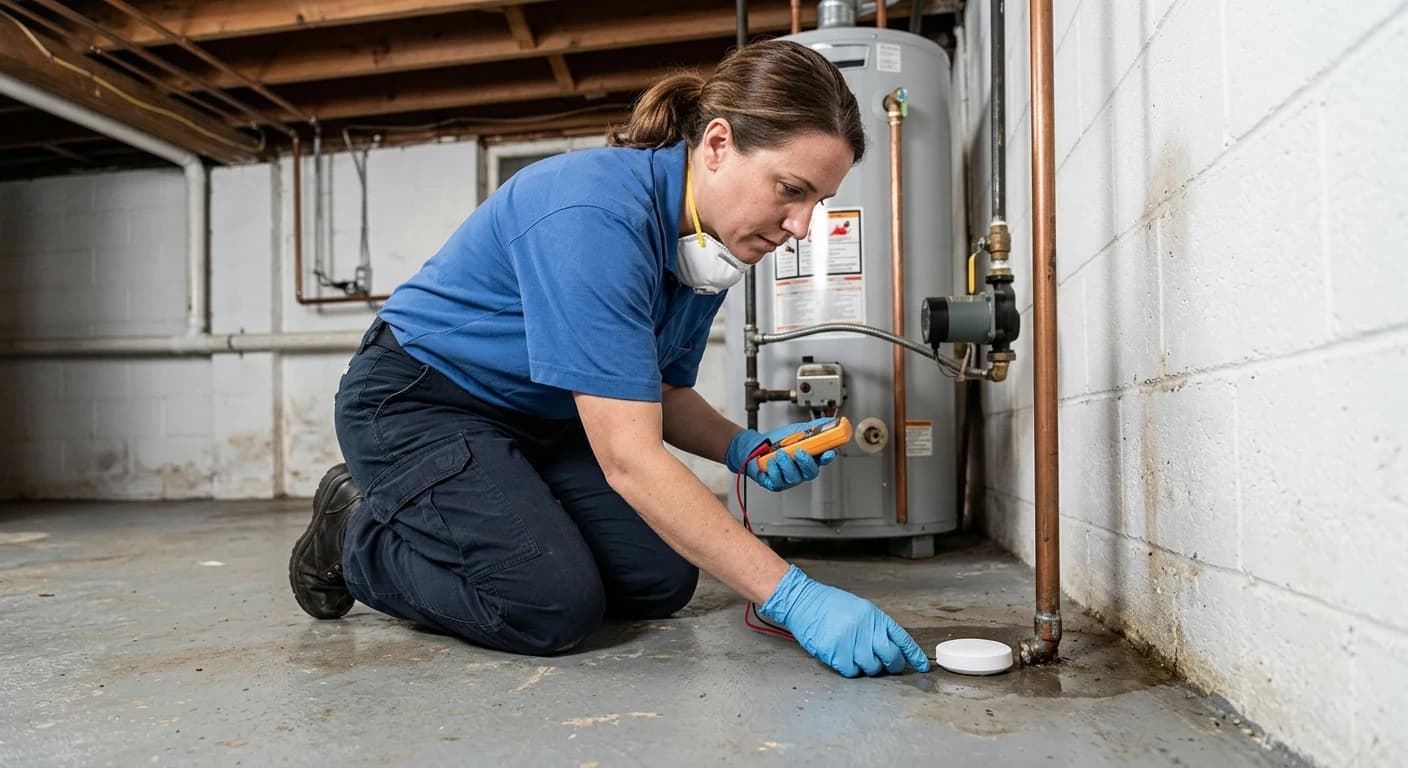
1. Moisture Detectors: These devices can be placed in areas prone to leaks, such as basements, attics, or beneath sinks. They measure the moisture content in the air and materials, alerting you when levels exceed normal limits.
2. Smart Leak Sensors: These sensors detect water presence and send alerts to your smartphone, helping you respond quickly to leaks. They are ideal for use near washing machines, water heaters, and sump pumps.
3. Integrated Home Systems: Some smart home systems integrate with your security system, allowing you to monitor your home remotely. This is particularly beneficial when you're away, providing peace of mind that your home is being monitored for potential water issues.
4. Thermal Imaging Cameras: For a more detailed inspection, thermal imaging can detect temperature differences behind walls and under floors, revealing hidden leaks.
Investing in these technologies can provide peace of mind and serve as an early warning system for potential water damage. They are especially useful in Bergenfield, where seasonal weather changes can increase the risk of leaks.
1. Moisture Detectors: These devices can be placed in areas prone to leaks, such as basements, attics, or beneath sinks. They measure the moisture content in the air and materials, alerting you when levels exceed normal limits.
2. Smart Leak Sensors: These sensors detect water presence and send alerts to your smartphone, helping you respond quickly to leaks. They are ideal for use near washing machines, water heaters, and sump pumps.
3. Integrated Home Systems: Some smart home systems integrate with your security system, allowing you to monitor your home remotely. This is particularly beneficial when you're away, providing peace of mind that your home is being monitored for potential water issues.
4. Thermal Imaging Cameras: For a more detailed inspection, thermal imaging can detect temperature differences behind walls and under floors, revealing hidden leaks.
Investing in these technologies can provide peace of mind and serve as an early warning system for potential water damage. They are especially useful in Bergenfield, where seasonal weather changes can increase the risk of leaks.
What Should You Do if You Detect Water Damage?
Upon detecting signs of water damage, immediate action is essential to mitigate further damage. Here's a step-by-step guide on what to do:
1. Identify and Stop the Source: If possible, locate the source of the water and stop it. This may involve turning off the main water supply or repairing a leak.
2. Document the Damage: Take detailed photos and notes of the affected areas. This documentation will be crucial for insurance claims and assessing the extent of the damage.
3. Contact Your Insurance Company: Notify your insurance company as soon as possible to start the claims process. They can guide you on what steps to take next and what documentation is needed.
4. Remove Excess Water: Use mops, towels, or a wet/dry vacuum to remove standing water. This helps minimize further damage and reduces the risk of mold.
5. Dry Affected Areas: Ventilate the area using fans and dehumidifiers to dry damp areas thoroughly. This step is crucial to prevent mold growth, which can occur within 24-48 hours of water exposure.
6. Contact a Professional Restoration Service: In Bergenfield, you can contact us for prompt assistance with water damage restoration. Our team can assess the damage, provide a comprehensive restoration plan, and help you restore your home to its pre-damage condition. Visit our contact page for more information.
Reacting swiftly and efficiently can save you time and money, reducing the impact of water damage on your home.
1. Identify and Stop the Source: If possible, locate the source of the water and stop it. This may involve turning off the main water supply or repairing a leak.
2. Document the Damage: Take detailed photos and notes of the affected areas. This documentation will be crucial for insurance claims and assessing the extent of the damage.
3. Contact Your Insurance Company: Notify your insurance company as soon as possible to start the claims process. They can guide you on what steps to take next and what documentation is needed.
4. Remove Excess Water: Use mops, towels, or a wet/dry vacuum to remove standing water. This helps minimize further damage and reduces the risk of mold.
5. Dry Affected Areas: Ventilate the area using fans and dehumidifiers to dry damp areas thoroughly. This step is crucial to prevent mold growth, which can occur within 24-48 hours of water exposure.
6. Contact a Professional Restoration Service: In Bergenfield, you can contact us for prompt assistance with water damage restoration. Our team can assess the damage, provide a comprehensive restoration plan, and help you restore your home to its pre-damage condition. Visit our contact page for more information.
Reacting swiftly and efficiently can save you time and money, reducing the impact of water damage on your home.
Preventive Measures to Avoid Water Damage
Prevention is key when it comes to water damage, and there are several proactive steps homeowners can take to protect their properties. Regular maintenance and vigilance can drastically reduce the risk of water-related issues. Here’s a practical guide to preventive measures:
1. Regular Inspections: Conduct routine inspections of your roof, gutters, and downspouts. Ensure they are free from debris and functioning properly to direct water away from your home. Check for missing or damaged shingles that could allow water to seep in.
2. Seal Windows and Doors: Ensure that all windows and doors are properly sealed. Use weather stripping or caulking to fill any gaps that could allow water to enter during heavy rains.
3. Maintain Plumbing Systems: Regularly check under sinks, around toilets, and behind appliances for any signs of leaks or corrosion. Consider replacing old or worn-out pipes and fittings to prevent potential failures.
4. Install a Sump Pump: If your home is prone to flooding, especially in the basement, installing a sump pump can be a lifesaver. Ensure it is regularly tested and maintained to function effectively during emergencies.
5. Landscaping Considerations: Grade your landscape to slope away from your home’s foundation. This prevents water from pooling around the base and seeping into the basement or crawl space.
Implementing these measures can significantly reduce the likelihood of water damage, protecting your home and saving you from costly repairs.
1. Regular Inspections: Conduct routine inspections of your roof, gutters, and downspouts. Ensure they are free from debris and functioning properly to direct water away from your home. Check for missing or damaged shingles that could allow water to seep in.
2. Seal Windows and Doors: Ensure that all windows and doors are properly sealed. Use weather stripping or caulking to fill any gaps that could allow water to enter during heavy rains.
3. Maintain Plumbing Systems: Regularly check under sinks, around toilets, and behind appliances for any signs of leaks or corrosion. Consider replacing old or worn-out pipes and fittings to prevent potential failures.
4. Install a Sump Pump: If your home is prone to flooding, especially in the basement, installing a sump pump can be a lifesaver. Ensure it is regularly tested and maintained to function effectively during emergencies.
5. Landscaping Considerations: Grade your landscape to slope away from your home’s foundation. This prevents water from pooling around the base and seeping into the basement or crawl space.
Implementing these measures can significantly reduce the likelihood of water damage, protecting your home and saving you from costly repairs.
Understanding the Health Implications of Water Damage
Water damage is not just a structural concern; it can also pose significant health risks if not addressed promptly. Understanding these implications can motivate homeowners to act swiftly and take necessary precautions.
1. Mold Growth: One of the most common health hazards associated with water damage is mold growth. Mold can develop within 24-48 hours of water exposure and releases spores into the air, which can cause respiratory issues, especially in individuals with allergies or asthma.
2. Bacterial Contamination: Standing water from leaks or floods can harbor bacteria and other pathogens. This is particularly concerning in cases of sewage backups, where harmful microorganisms can pose serious health threats.
3. Insect Infestations: Damp environments are ideal breeding grounds for insects such as mosquitoes and termites. These pests can introduce additional health risks and cause further damage to the property.
4. Air Quality Deterioration: Excess moisture can lead to poor indoor air quality, exacerbating conditions like asthma or other respiratory ailments. It's crucial to ensure proper ventilation and humidity control within the home.
5. Structural Safety: Beyond health, water damage can compromise the structural integrity of a building, creating potential hazards such as weakened floors or ceilings that could lead to accidents.
By being aware of these health implications, homeowners in NJ and beyond can prioritize timely water damage detection and remediation to ensure a safe and healthy living environment.
1. Mold Growth: One of the most common health hazards associated with water damage is mold growth. Mold can develop within 24-48 hours of water exposure and releases spores into the air, which can cause respiratory issues, especially in individuals with allergies or asthma.
2. Bacterial Contamination: Standing water from leaks or floods can harbor bacteria and other pathogens. This is particularly concerning in cases of sewage backups, where harmful microorganisms can pose serious health threats.
3. Insect Infestations: Damp environments are ideal breeding grounds for insects such as mosquitoes and termites. These pests can introduce additional health risks and cause further damage to the property.
4. Air Quality Deterioration: Excess moisture can lead to poor indoor air quality, exacerbating conditions like asthma or other respiratory ailments. It's crucial to ensure proper ventilation and humidity control within the home.
5. Structural Safety: Beyond health, water damage can compromise the structural integrity of a building, creating potential hazards such as weakened floors or ceilings that could lead to accidents.
By being aware of these health implications, homeowners in NJ and beyond can prioritize timely water damage detection and remediation to ensure a safe and healthy living environment.
DIY Tips for Early Water Damage Detection
Detecting water damage early can save homeowners significant time and money. While professional inspections are invaluable, there are several DIY methods you can employ to catch potential issues before they escalate. Here are some practical tips:
1. Regularly Check High-Risk Areas: Make it a habit to inspect areas prone to moisture, such as under sinks, around toilets, and in basements. Look for any signs of leaks or moisture buildup.
2. Use Chalk to Spot Moisture: A simple trick is to use chalk on walls or floors where you suspect moisture. If the chalk darkens or disappears, it indicates the presence of water.
3. Monitor Your Water Bill: An unexplained increase in your water bill could indicate a hidden leak. Compare your monthly usage to detect any unusual spikes.
4. Check for Warping or Discoloration: Regularly inspect wooden floors and walls for any signs of warping or discoloration, which can indicate underlying water damage.
5. Test for Soft Spots: Gently press on walls and floors to check for soft spots, which can signal water damage beneath the surface. Pay special attention to areas near plumbing fixtures.
By incorporating these simple yet effective DIY methods into your routine, you can detect potential water damage early and take preventive action, avoiding more severe problems down the line.
1. Regularly Check High-Risk Areas: Make it a habit to inspect areas prone to moisture, such as under sinks, around toilets, and in basements. Look for any signs of leaks or moisture buildup.
2. Use Chalk to Spot Moisture: A simple trick is to use chalk on walls or floors where you suspect moisture. If the chalk darkens or disappears, it indicates the presence of water.
3. Monitor Your Water Bill: An unexplained increase in your water bill could indicate a hidden leak. Compare your monthly usage to detect any unusual spikes.
4. Check for Warping or Discoloration: Regularly inspect wooden floors and walls for any signs of warping or discoloration, which can indicate underlying water damage.
5. Test for Soft Spots: Gently press on walls and floors to check for soft spots, which can signal water damage beneath the surface. Pay special attention to areas near plumbing fixtures.
By incorporating these simple yet effective DIY methods into your routine, you can detect potential water damage early and take preventive action, avoiding more severe problems down the line.
The Role of Professional Inspections in Water Damage Prevention
While DIY methods can be effective, professional inspections play a crucial role in the early detection and prevention of water damage. Here’s why investing in professional services can be beneficial:
1. Comprehensive Assessments: Professionals have the expertise to conduct thorough inspections, identifying issues that may not be visible to the untrained eye. They use specialized tools to detect moisture levels and assess structural integrity.
2. Advanced Technology: Experts often utilize advanced technology, such as thermal imaging cameras and moisture meters, to pinpoint hidden leaks or areas of concern that might otherwise go unnoticed.
3. Expert Recommendations: After an inspection, professionals provide detailed reports and recommendations. They can advise on necessary repairs or improvements to prevent future water damage.
4. Peace of Mind: Knowing that your home has been professionally inspected can provide peace of mind, especially in areas like Bergenfield where weather conditions might increase the risk of water intrusion.
5. Insurance Benefits: Some insurance companies offer discounts or incentives for homes that undergo regular professional inspections, as it reduces the risk of costly claims.
By scheduling regular professional inspections, homeowners can stay ahead of potential water damage issues, ensuring their property remains safe and well-maintained. This proactive approach not only protects your investment but also contributes to a healthier living environment.
1. Comprehensive Assessments: Professionals have the expertise to conduct thorough inspections, identifying issues that may not be visible to the untrained eye. They use specialized tools to detect moisture levels and assess structural integrity.
2. Advanced Technology: Experts often utilize advanced technology, such as thermal imaging cameras and moisture meters, to pinpoint hidden leaks or areas of concern that might otherwise go unnoticed.
3. Expert Recommendations: After an inspection, professionals provide detailed reports and recommendations. They can advise on necessary repairs or improvements to prevent future water damage.
4. Peace of Mind: Knowing that your home has been professionally inspected can provide peace of mind, especially in areas like Bergenfield where weather conditions might increase the risk of water intrusion.
5. Insurance Benefits: Some insurance companies offer discounts or incentives for homes that undergo regular professional inspections, as it reduces the risk of costly claims.
By scheduling regular professional inspections, homeowners can stay ahead of potential water damage issues, ensuring their property remains safe and well-maintained. This proactive approach not only protects your investment but also contributes to a healthier living environment.